

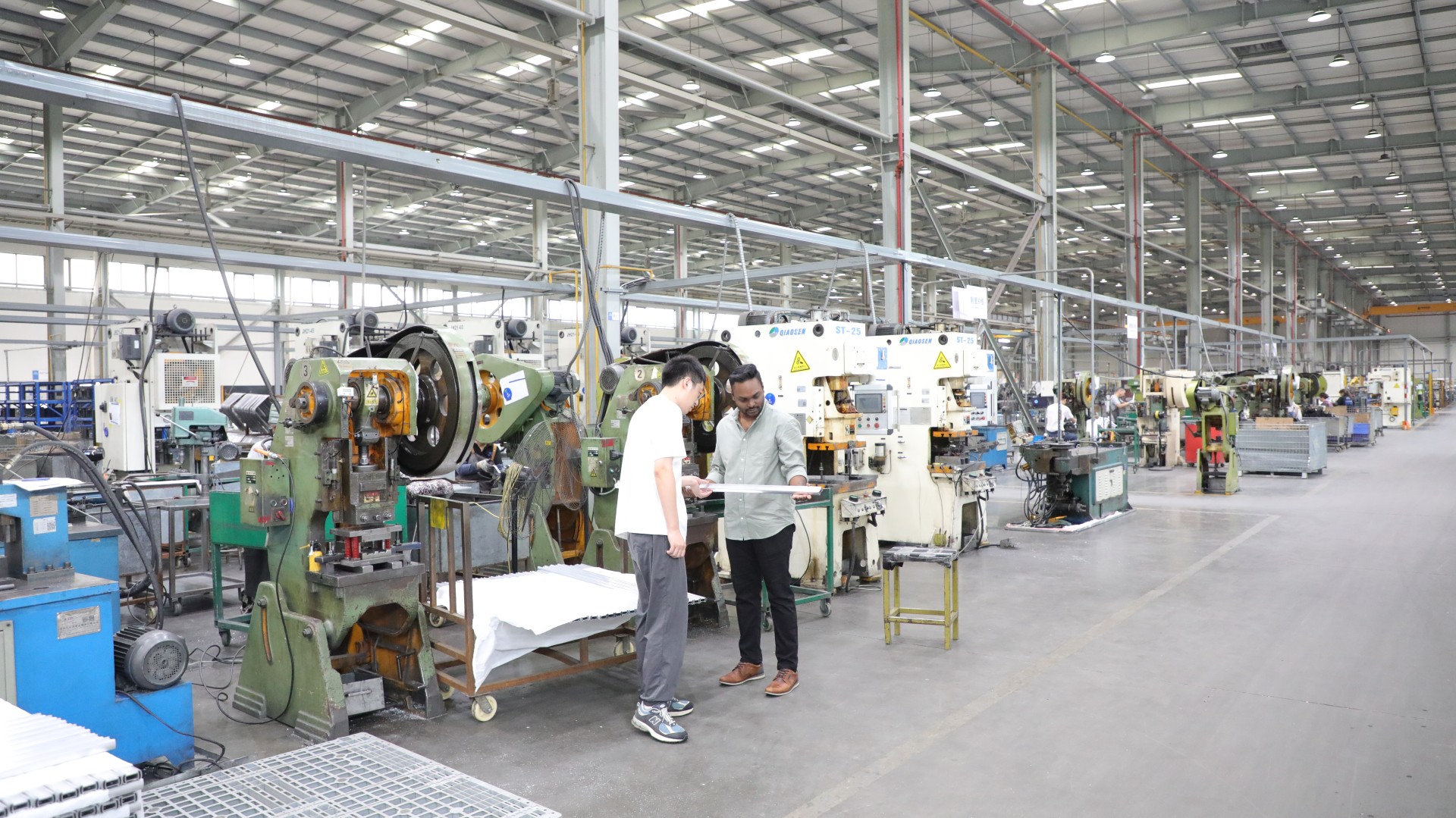
If you are developing a product and planning to manufacture in China, IP protection is one of the most important: and most commonly misunderstood: parts of the process. When you are ready, Pro-Dev’s IP strategy service helps protect your IP overseas.
Most companies know they should protect their IP. Fewer understand exactly what that means in practice, and even fewer have agreements in place that would actually hold up if tested.
The Most Common Misconception
The most common misconception is that signing a non-disclosure agreement with your factory is sufficient IP protection.
It is not. Not on its own.
A contract written only in English: or only in Chinese, or in any single language: is not automatically enforceable in Chinese courts. For a supplier agreement to provide meaningful legal protection in China, it needs to be structured for that purpose. This typically means a bilingual agreement (English and Mandarin), written with the jurisdiction of the country of manufacture in mind, and covering the specific IP risks that arise in manufacturing relationships.
Many Western companies sign agreements that look comprehensive but would provide very limited protection in a Chinese court. They find this out when something goes wrong, not before.
What You Are Actually Protecting
In a manufacturing context, IP protection covers several distinct things, and it is worth being specific about each.
Your design files and CAD models are the core IP that needs to be protected. These should be shared only with the specific factory producing your product, on a need-to-know basis, under a clearly structured agreement.
Your tooling is physical IP. Moulds and tooling are expensive to produce and represent a significant asset. Your supplier agreement should make clear that all tooling belongs to you, not the factory: and that the factory cannot use that tooling to produce products for anyone else.
Your trade secrets include manufacturing specifications, material formulations, pricing, and any proprietary production processes. These should be covered under your confidentiality provisions.
Practical Steps That Actually Work
Work with a partner who has established factory relationships. A factory that has an existing, long-term relationship with your product development partner is significantly less likely to engage in IP theft than a cold factory introduction. Reputation and ongoing business matter.
Use properly structured supplier agreements. If you are managing factory relationships yourself, have your supplier agreements reviewed by someone with experience in Chinese commercial law. Generic templates are not sufficient.
Share information on a need-to-know basis. Do not share complete design files, manufacturing specifications, and supplier lists with a factory until you have a signed agreement in place and a clear understanding of the relationship.
Register key IP in China before you manufacture there. Design patents and trade marks registered in China provide an additional layer of protection. Registration in your home country does not protect you in China.
Use a split-manufacturing approach for particularly sensitive products. Producing different components at different factories, and assembling in a third location, is one way to ensure no single supplier has your complete design.
How Pro-Dev Handles IP Protection
Pro-Dev’s supplier agreements are specifically structured for offshore manufacturing. They are bilingual, cover tooling ownership, design file confidentiality, and trade secrets, and are written to be enforceable in Chinese courts: not just in New Zealand.
We work with established, long-term factory partners where we have production history and direct relationships. We share client information on a strict need-to-know basis internally, and we do not share your design files with a factory until the right agreements are in place.
All tooling produced for your product belongs to you. We will never use your tooling for another client or allow a factory to do so.
If you have specific IP concerns about a product you are developing, we are happy to discuss them in a consultation. The right structure for protecting your IP is something we can help you think through before manufacturing begins.
