

Prototyping is one of the most valuable stages of product development. It is also one of the most commonly mismanaged.
Done well, a prototype validates your design, reveals problems before they become expensive, and gives investors and retailers something real to react to. Done poorly, it wastes weeks, requires expensive rework, and creates false confidence that the design is further along than it actually is.
Here are the five most common prototyping mistakes we see: and how to avoid them.
Mistake 1: Using the Wrong Type of Prototype for the Purpose
Not all prototypes serve the same purpose, and using the wrong type for your current stage is one of the most common and costly mistakes.
An appearance model is a prototype that looks like the final product but does not function. It is useful for presentations, photography, and early stakeholder feedback. It is not useful for testing mechanical function.
A functional prototype is built to test how the product works, often using materials and manufacturing methods that differ from the final product. It may not look polished. It is not useful for photography but is essential for testing.
A pre-production prototype is built using near-final materials and manufacturing methods. It is the closest thing to the final product and is used to validate production readiness.
Using an appearance model to test function, or commissioning an expensive pre-production prototype when an early functional prototype would have revealed a fundamental design problem: both are common and avoidable mistakes.
The fix: be clear about what question you are trying to answer with a prototype, and choose the prototype type accordingly.
Mistake 2: Treating a Prototype as a Finished Product
A prototype is a learning tool. It is there to reveal what you do not know: problems with the design, with the user experience, with the manufacturing approach.
Companies that treat their first prototype as a finished product and rush to manufacture from it typically find out at the production stage that there are problems that should have been caught earlier. The cost of fixing a design problem in prototype is a fraction of the cost of fixing it after tooling is cut.
The fix: plan for iteration. Assume your first prototype will reveal things that need to change, and budget time and money for at least one round of refinement before committing to production tooling.
Mistake 3: Choosing a Prototyping Method Based on Cost Alone
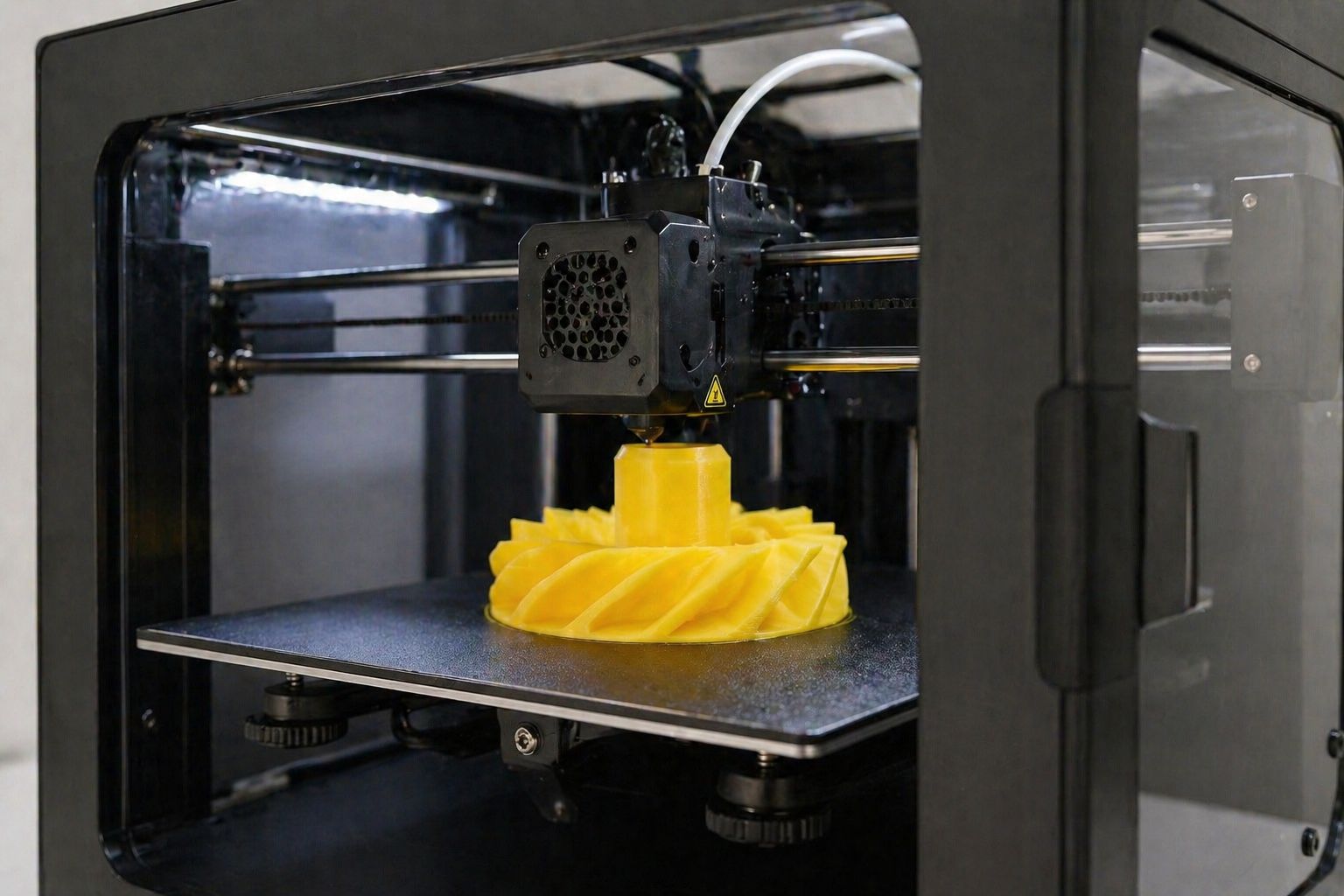
3D printing is fast and cheap. It is also not representative of injection-moulded plastic, CNC-machined metal, or most other production manufacturing methods. A 3D-printed prototype may look similar to the final product but behave very differently under load, in temperature, or in assembly.
Choosing a prototyping method purely on cost often means choosing a method that does not actually test what matters. A machined prototype of a part that will eventually be injection-moulded gives you much more relevant information than a 3D-printed version: even if it costs more.
The fix: choose the prototyping method based on what you need to test, not just on cost. In some cases, the cheaper prototype is the right choice. In others, spending more on the right prototype saves significantly more than it costs.
Mistake 4: Not Involving the Engineering Team in the Prototype Brief
A prototype brief that comes only from a designer, without engineering input, often misses things that matter for manufacturing. The engineer might know that a particular feature will be difficult to achieve in the production material, or that the assembly method assumed in the prototype is not practical at scale.
When the prototype brief is developed jointly by the design and engineering team, the prototype tests the right things: and the findings are useful for production, not just for appearance.
The fix: make sure engineering is involved in defining what the prototype needs to test and how it will be built.
Mistake 5: Skipping the Review and Moving Straight to Tooling
Perhaps the most expensive mistake: commissioning a prototype, receiving it, liking the way it looks, and immediately commissioning tooling without a proper review of whether the prototype passed its functional requirements.
Tooling is the point of no return in product development. Once tooling is cut, changes are expensive. The purpose of prototyping is to validate the design before that point: but that validation only happens if the review is actually done.
The fix: define success criteria for the prototype before you build it. What does it need to do? What does it need to withstand? What user interactions does it need to support? Review against those criteria explicitly before making the decision to move to tooling.
How We Handle Prototyping at Pro-Dev
At Pro-Dev, prototyping is managed as a defined stage with a clear brief, defined success criteria, and a structured review before any decision to proceed to tooling. We have access to prototyping capabilities in both New Zealand and China, which means we can match the prototyping method to the purpose without being constrained by local availability or cost.
Our engineering and design teams work together on the prototype brief, which means the prototype actually tests the things that matter for production: not just for appearance.
If you have a product that is ready for prototyping, or if you want to talk through what prototyping approach makes sense for your current stage, we are happy to help.
