

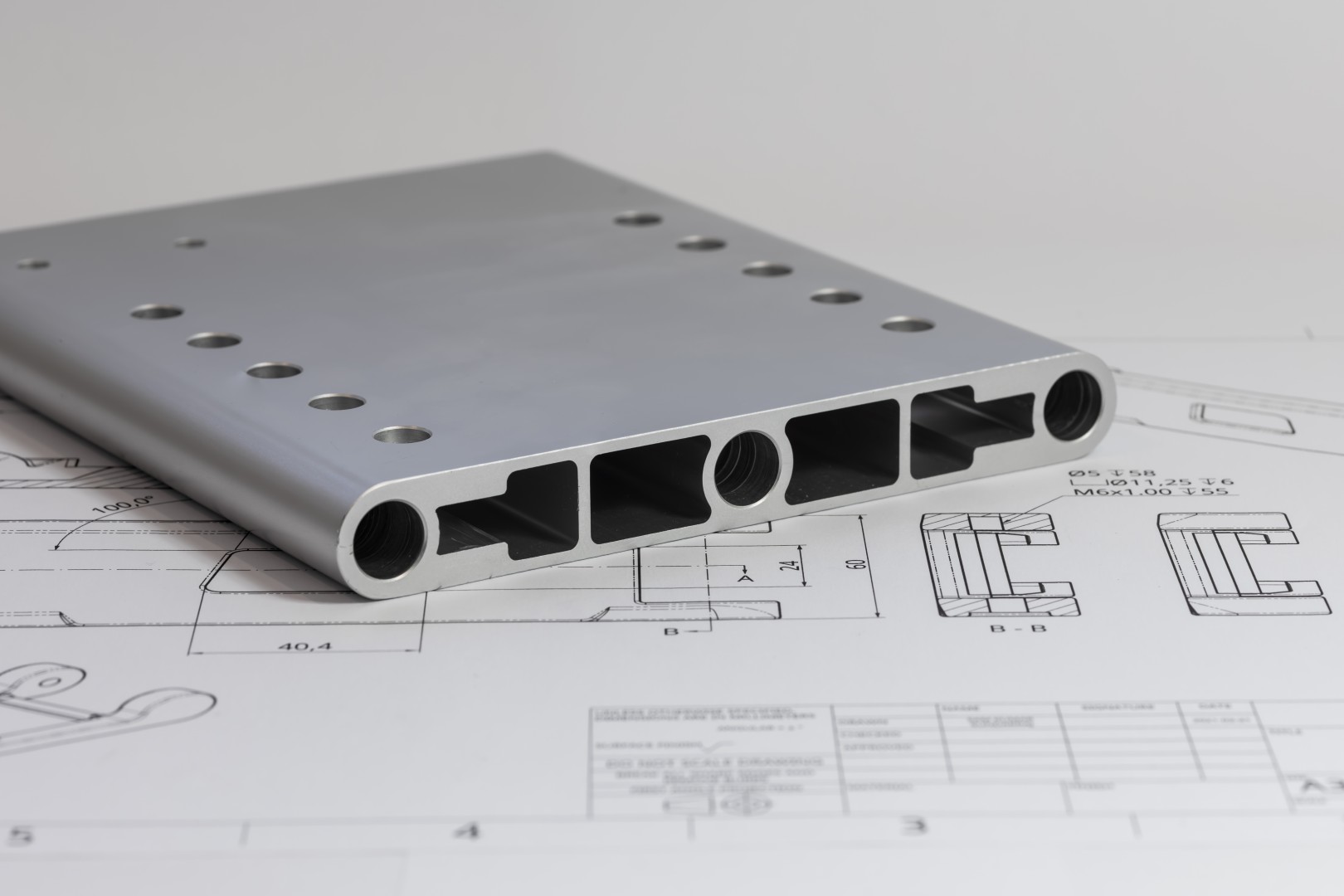
Sustainability in product design is sometimes presented as a separate concern from commercial success: something you do for the environment at the cost of efficiency or profit. In practice, the opposite is true. Designing for sustainability and designing for manufacture are deeply aligned: both are about using less material, making fewer mistakes, and creating products that last.
How DFM Reduces Material Waste
Design for Manufacture is the practice of designing products with the manufacturing process in mind from the start. One of its most direct sustainability benefits is material reduction.
When wall thicknesses are optimised for the manufacturing process, you use exactly the material you need and no more. When parts are designed to be made in as few operations as possible, you reduce scrap and offcuts. When tolerances are specified correctly, you reduce reject rates and rework. All of these reduce material consumption and energy use in production.
This is not a trade-off. A well-executed DFM review typically reduces manufacturing cost and environmental impact at the same time.
Designing for Longevity
The most sustainable product is one that does not need to be replaced. Designing for durability, repairability, and upgradability extends the useful life of a product and reduces the environmental cost of replacement.
This means designing with right to repair in mind: accessible fasteners, replaceable components, and available spare parts. It means specifying materials that perform over the long term rather than materials chosen purely on initial cost. It means designing for the conditions the product will actually encounter in use.
Responsible Material Selection
Pro-Dev is a member of Plastics NZ. We engage with the evolving standards and best practices around responsible plastic use, and we apply that thinking to material selection in our design process.
This does not mean avoiding plastic: plastic is a versatile, durable, and often the most appropriate material for many products. It means choosing the right plastic, using it efficiently, designing for end-of-life recyclability where possible, and staying informed about evolving material standards in the markets our clients sell into.
If sustainability requirements are important for your product, whether driven by legislation, customer expectations, or your own brand values, raise it at the start of the project. We will design for it from the beginning rather than retrofitting it later.
