

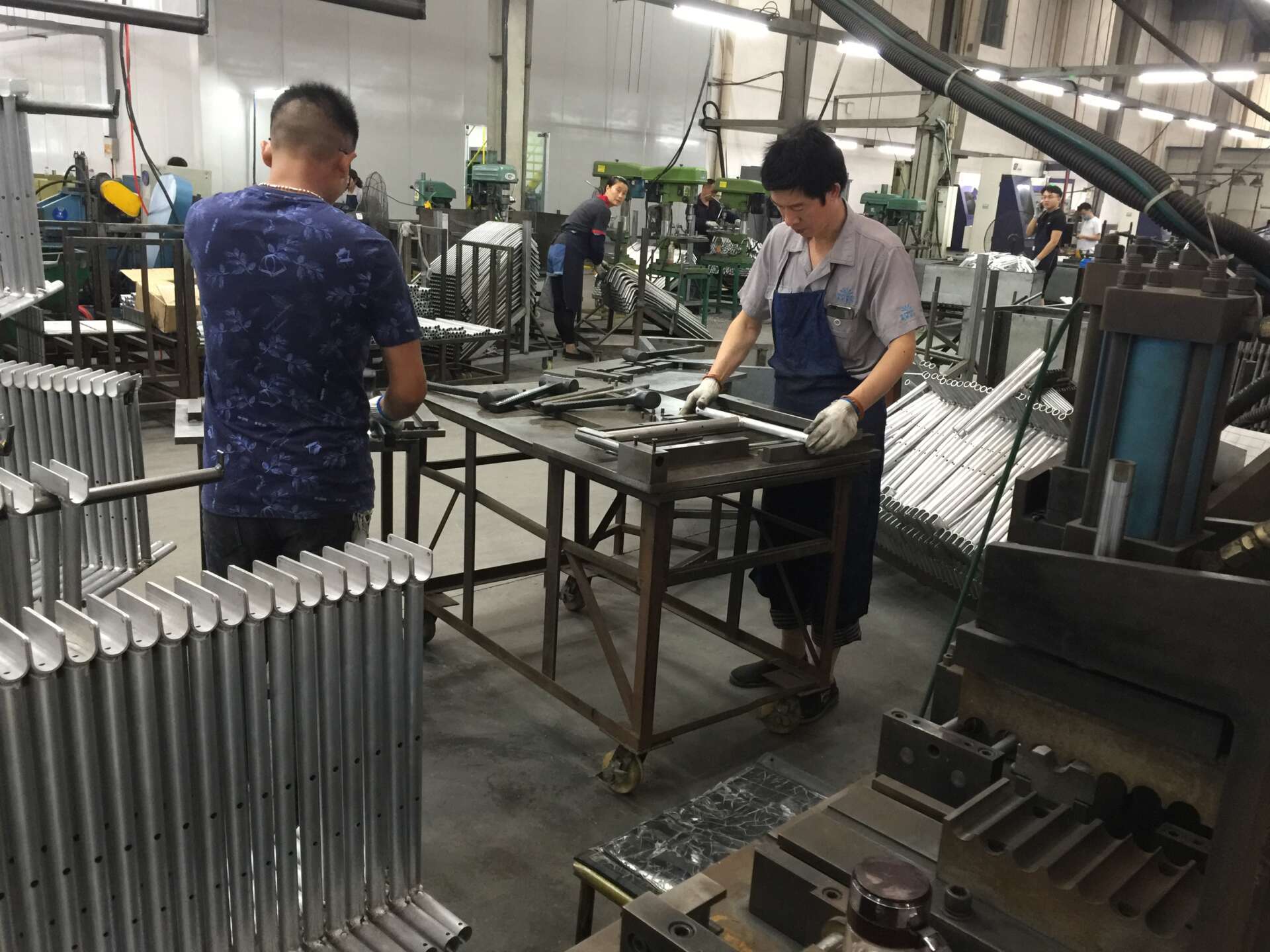
Behind the Scenes on a Production Run
Most founders only see two moments in a production run: the purchase order and the delivered boxes. Everything in between is a black box.
That gap is where most of the anxiety lives. Once you understand what happens inside it, the waiting becomes far easier to manage.
Here is a production run in the order it actually happens on a factory floor.
Tooling And Setup Come First
Before a single unit is made, the factory sets up tooling and fixtures for your specific part. This is not a five-minute job.
Moulds are mounted, calibrated and test-fired. Fixtures for assembly or finishing are built and checked against your drawings.
A factory that rushes this step is the same factory that reprints labels halfway through a run because nobody checked the artwork first.
It is worth asking any manufacturing partner what their setup and calibration process looks like before the first unit is made. Their answer will tell you a great deal about how the rest of the run is likely to go.
The First Articles Tell The Truth
The first handful of units off the line are called first articles. They exist to catch problems before they become a pattern.
A good factory pulls these early, checks them against your drawings and tolerances, and stops the line if something is wrong. A factory chasing a deadline sometimes does not.
This is the single most important checkpoint in the whole run. Everything after it is repetition of whatever the first articles establish.
It is worth asking who signs off the first articles, and what happens if they fail. A factory with a clear, considered answer to that question is one that treats first articles as a genuine checkpoint rather than a formality.
The Middle Of A Run Is About Consistency, Not Speed
Once a run is moving, the real work is keeping every unit the same as the last. Machines drift. Materials vary batch to batch. Operators change shifts.
Factories with strong process discipline check dimensions and finish at intervals through the run, not only at the start and end.
This is where factory relationships built over more than ten years start to matter. A factory that knows your product treats a drift in tolerance as a problem to solve, not a number to round off.
It is worth asking how often units are checked for consistency during a run, not just before it starts. The frequency of those checks is usually a good indicator of how seriously a factory takes the middle of a run, where most quality problems actually begin.
Packing And Shipping Are Part Of The Product
A run is not finished when the last unit comes off the line. Packing, labelling and preparing units for shipping are their own step, and a rushed one causes damage that only shows up when the customer opens the box.
Good factories build packing into the same process discipline as production. It is checked, not assumed.
Products designed to be manufactured from day one carry packing considerations back into the design itself, so this step is rarely a surprise by the time a run reaches it.
Pro-Dev runs production oversight as part of the same process that starts at design, using factory relationships built in China and New Zealand over more than ten years. That means the same team that designed the part is watching it come off the line, not learning about problems after the fact.
None of this needs to stay a mystery. A production run has a clear order, clear checkpoints and clear people responsible at each stage. Founders who understand that order tend to ask better questions of their manufacturing partner, and get fewer surprises in return.
If you want to see how this looks for your own product, the conversation starts with a simple question: what does your process look like from tooling through to the finished, packed unit.
Book a Free Consultation
