

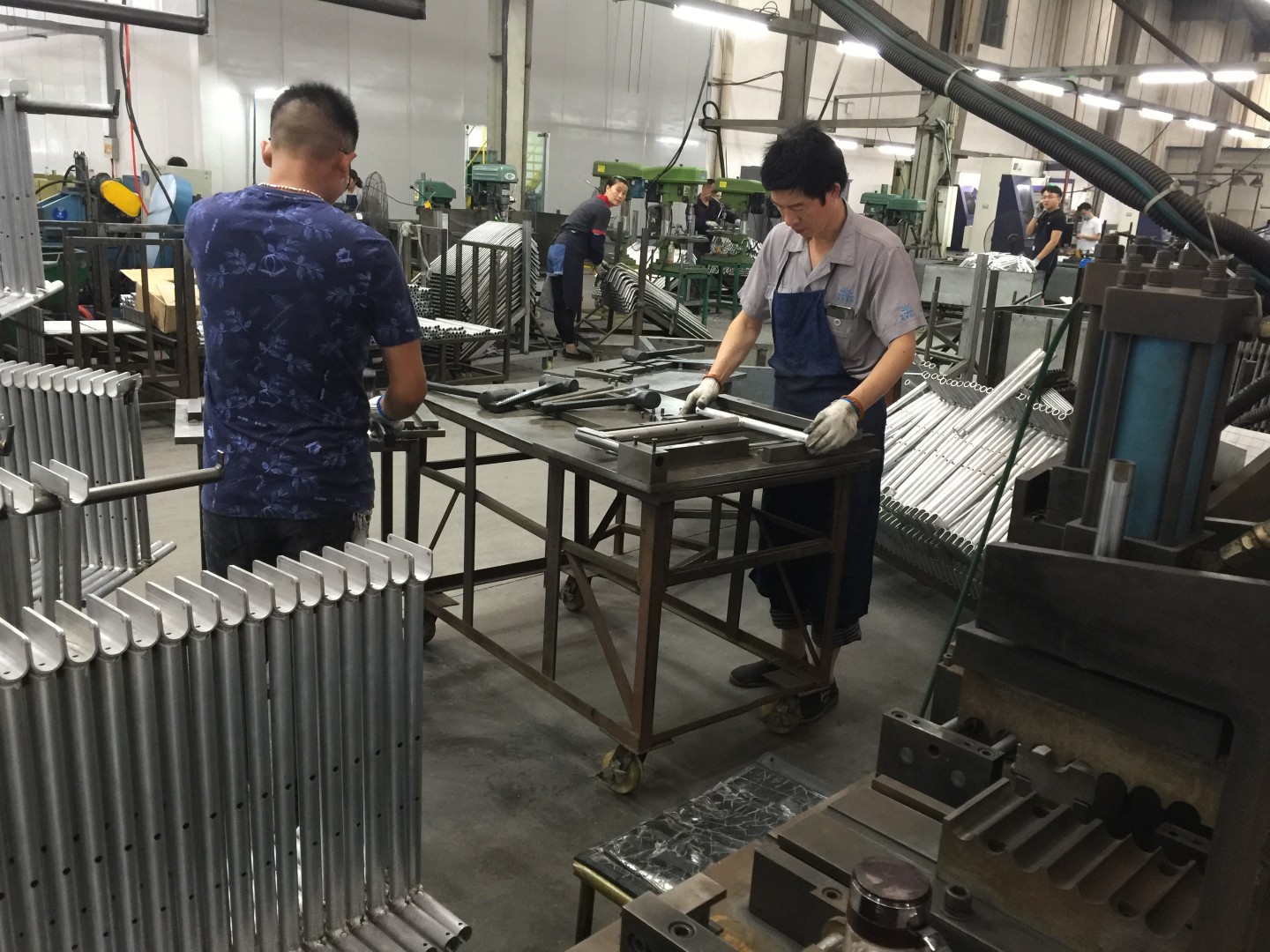
This is the question almost every product developer asks, and the honest answer is: it depends on too many variables to give a meaningful number without knowing your product. But there are useful frameworks for understanding the cost structure, and knowing these will help you plan and evaluate quotes more confidently.
The Two Main Cost Components
Manufacturing cost for a physical product has two primary components: tooling cost and unit cost. If you are working through this, Pro-Dev’s manufacturing service helps you cost and manage overseas production.
Tooling cost is the one-time cost of creating the moulds, dies, and fixtures required to manufacture your product. This is paid once and the tooling then belongs to you. Tooling cost varies enormously depending on the complexity of your product, the number of components, and the manufacturing process. A simple single-cavity injection mould for a small plastic component might cost NZD 3,000 to 8,000. A complex multi-cavity mould for a consumer product with multiple parts might cost NZD 30,000 to 100,000 or more.
Unit cost is the cost per product once tooling is in place. This includes materials, labour, overhead, and the factory margin. Unit cost depends heavily on volume: the more you order, the lower the unit cost, because fixed overheads are spread across more units.
What Affects Unit Cost?
- Volume: higher volumes mean lower unit cost. The difference between 500 units and 5,000 units can be 30 to 50% on unit cost.
- Material: different plastics, metals, and other materials have very different material costs.
- Complexity: more components, tighter tolerances, and more assembly steps all increase unit cost.
- Surface finish: premium finishes, textures, and secondary processes like painting or plating add cost.
- Packaging: retail packaging, inserts, and labelling are additional costs often overlooked in early estimates.
Minimum Order Quantities
Most Chinese factories have minimum order quantities (MOQs). For injection-moulded products, MOQs typically range from 500 to 2,000 units for a first run, though this varies by factory and product type. Negotiating MOQ is possible with the right factory relationships.
What Is Not Included in Factory Quotes
Factory quotes from China typically cover manufacturing and basic packaging only. They do not include freight, customs duties and tariffs, logistics to your market, compliance testing and certification, or your development and project management costs. When budgeting for a product launch, all of these need to be factored in. We help clients build a complete cost model that covers the full journey, not just the factory price.
