

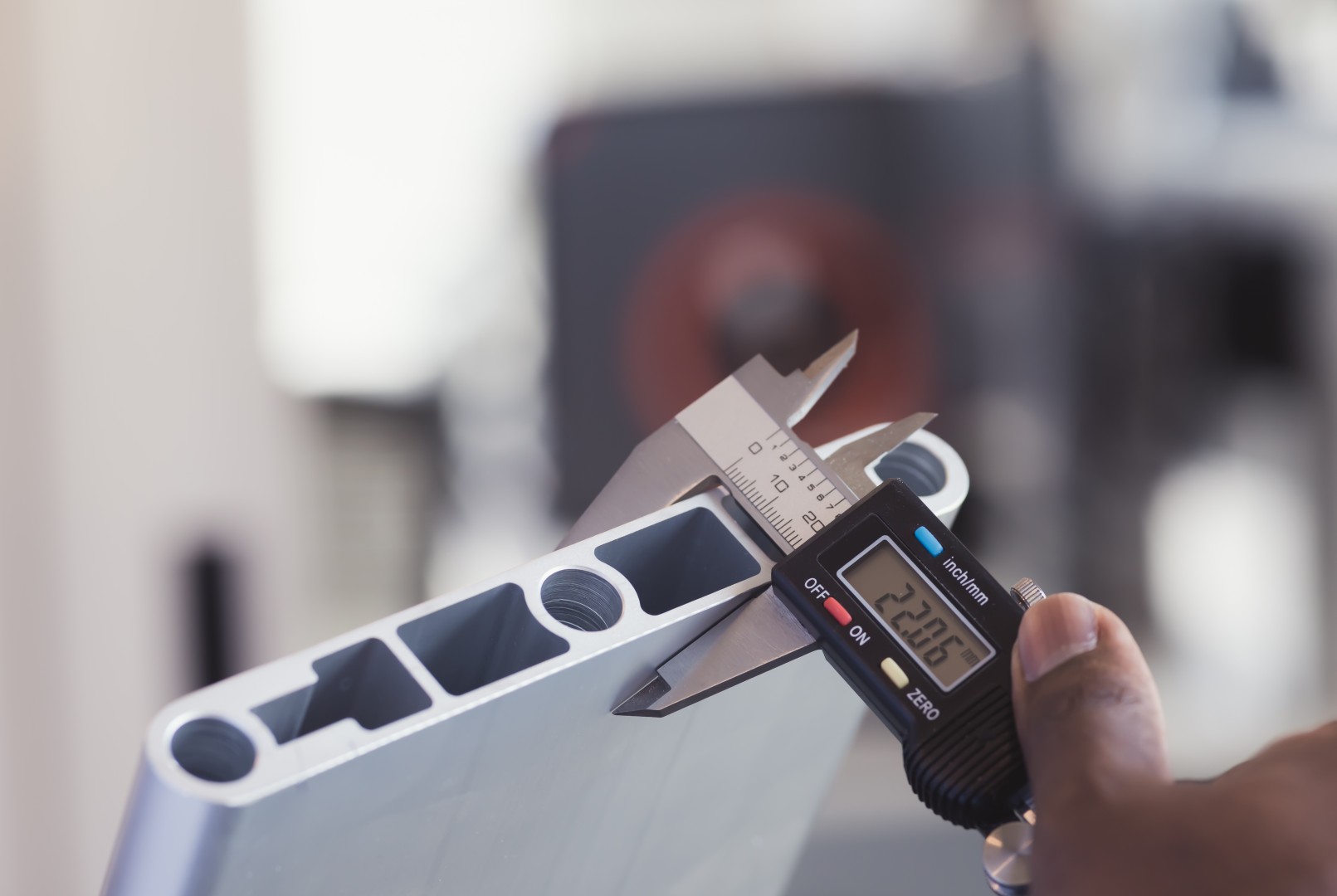
If you have spent any time talking to product designers or engineers, you have probably heard the term DFM. It stands for Design for Manufacture, and it is one of the most important: and most overlooked: parts of product development. This is exactly where Pro-Dev’s design-for-manufacture support makes products cheaper and easier to build.
Here is what it actually means, why it matters, and what happens when it is ignored.
What Design for Manufacture Means
Design for Manufacture is the practice of designing a product with its manufacturing process in mind. It means making design decisions: geometry, materials, tolerances, assembly methods: that are not only functional and aesthetically correct, but also practical and cost-effective to produce at scale.
A product designed without DFM in mind might look excellent on screen and perform correctly in prototype. But when it goes to a factory for production quoting, it may be prohibitively expensive to produce, require tooling that is unnecessarily complex, or have geometric features that are difficult or impossible to achieve consistently in the chosen material.
Common DFM Problems and What They Cost
Wall thickness inconsistencies. In injection-moulded plastic parts, inconsistent wall thickness leads to sink marks, warping, and internal voids. Fixing this after tooling is cut means expensive tooling modifications or accepting a product that does not look the way you intended.
Undercuts and draft angles. Features that prevent a part from being removed from a mould without additional tooling complexity add cost and manufacturing risk. A designer without manufacturing experience may not be aware that a particular feature creates an undercut. A designer with DFM experience will design around it.
Unnecessarily tight tolerances. Every tolerance specification has a cost. Tolerances tighter than the function actually requires add cost to every part produced, and increase the reject rate during quality control. DFM involves reviewing tolerance specifications against functional requirements and relaxing them where possible.
Over-engineered assemblies. A product that requires many separate components to be assembled: when a simpler design would achieve the same function: costs more to manufacture and more to assemble. DFM often involves simplifying the design to reduce part count without sacrificing function.
When DFM Should Happen
The earlier, the better. DFM is most valuable when it is built into the design process from the start: not reviewed at the end as a checklist exercise.
When a designer and engineer are working together throughout the design process, DFM decisions are made in real time. The designer proposes a feature; the engineer assesses its manufacturability and cost impact; the design is refined to achieve the intended outcome in a more manufacturable way.
When DFM is treated as a review at the end of the design phase, some of the findings will require significant redesign work. That costs time and money that could have been avoided.
DFM at Pro-Dev
At Pro-Dev, design and engineering work together throughout the design process. DFM is not a separate phase or a final checklist: it is an ongoing consideration from the first concept through to production-ready documentation.
We have delivered products across plastic, metal, rubber, wood, fabric, silicone, and glass, and our team’s manufacturing experience spans all of these material types. That experience is what makes DFM practical rather than theoretical.
If you have a product design that has not yet been through a proper DFM review, or if you want to understand how DFM could affect the manufacturing cost of a product you are developing, we are happy to take a look.
