

This is one of the most common questions we get from product developers. The short answer is: they serve different purposes, and most products use both at different stages. Here is how to think through the choice.
Injection moulding vs 3D printing at a glance
| Injection moulding | 3D printing | |
|---|---|---|
| Upfront cost | High (tooling, often NZD $10,000+) | None |
| Cost per unit at volume | Low | Higher |
| Best suited volumes | Thousands and up | One to around a thousand |
| Design changes | Expensive once tooling is cut | Free between batches |
| Time to first part | Weeks (tooling lead time) | Hours |
| Materials | Full range of production plastics | Growing range of engineering materials |
| Surface finish | Production quality | Good and improving |
What Is 3D Printing Good For?
3D printing, also called additive manufacturing, builds parts layer by layer from digital files. It is fast, relatively cheap for single parts or small quantities, and requires no tooling. This makes it ideal for: If you are working through this, Pro-Dev’s manufacturing services can advise on the best process for your part.
- Early concept prototypes where speed matters more than material accuracy
- Functional prototypes to test fit, form, and basic mechanical function
- Appearance models for stakeholder presentations
- Jigs, fixtures, and internal tooling
- Very low volume production of complex parts where tooling costs cannot be justified
The limitations are real though. 3D-printed parts are typically weaker than injection moulded parts, surface finish is often inferior, material choices are limited, and unit cost is high for anything beyond small quantities.
What Is Injection Moulding Good For?
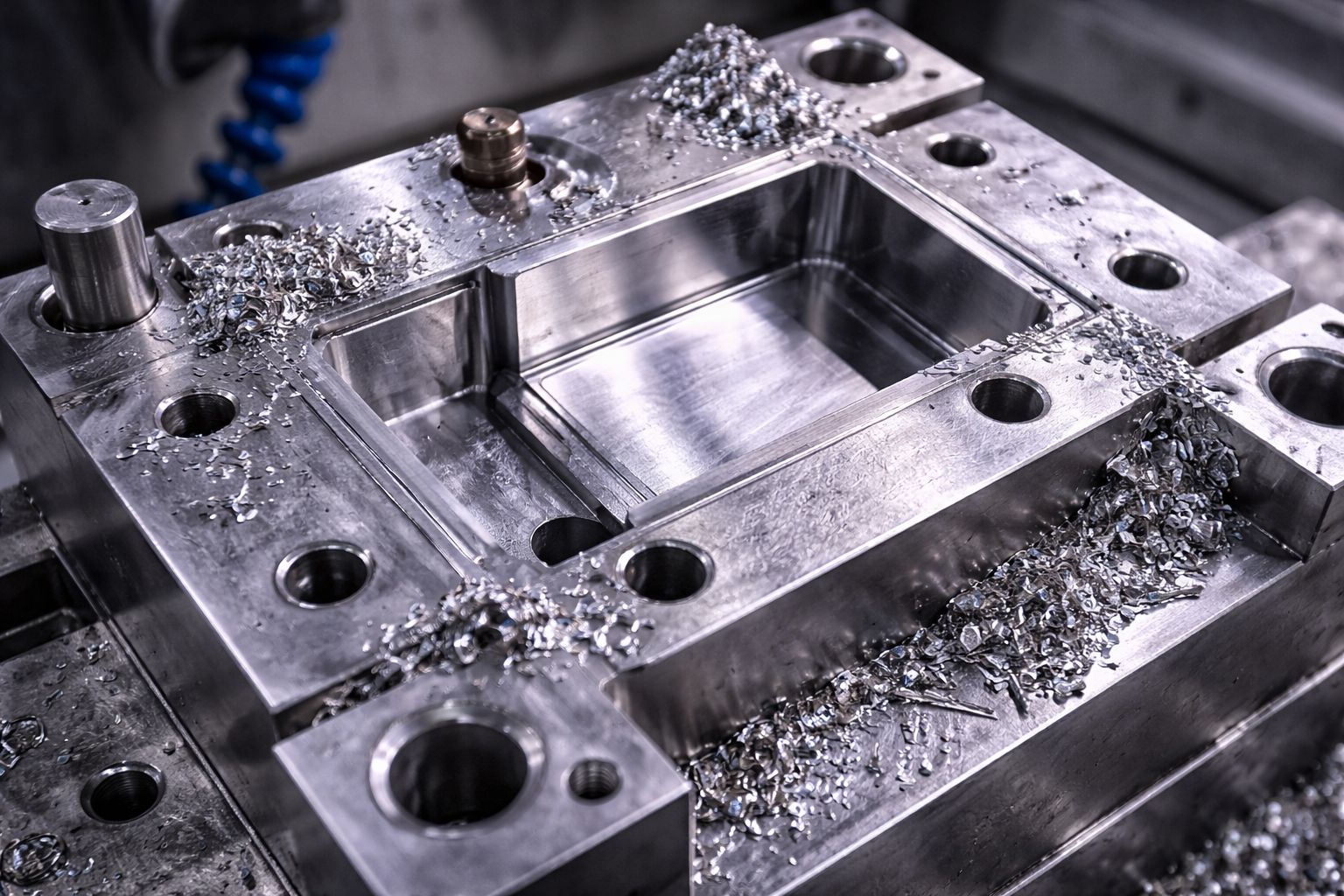
Injection moulding forces molten plastic into a steel or aluminium mould under high pressure. The result is a part with consistent quality, good surface finish, and material properties close to the final specification. It is ideal for:
- Production quantities from around 500 units upwards
- Parts where consistent quality and dimensional accuracy are critical
- Products requiring specific material properties: flexibility, UV resistance, food safety, etc.
- Complex geometry with undercuts, threads, and fine surface detail
The limitations: tooling cost is significant, typically from NZD 5,000 to NZD 50,000 or more depending on complexity. Design changes after tooling is cut are expensive. You need a finalised design before committing.
The Typical Development Path
For most consumer products, the path looks like this: 3D printing for early concept prototypes, then one or more rounds of more refined functional prototypes (still 3D printed or machined), then a pre-production prototype using near-final materials and processes, then tooling and injection-moulded production parts.
The key is knowing which stage you are at and choosing the technology accordingly. Using 3D printing when you should be doing a pre-production prototype, or committing to injection mould tooling before your design is finalised, are both expensive mistakes.
We manage this process for our clients and advise on the right approach at each stage. If you are not sure what stage you are at or what process you need, that is a good question to bring to a consultation.
Frequently asked questions
Is 3D printing cheaper than injection moulding?
For small volumes, yes, because there is no tooling cost. Once volumes reach the thousands, injection moulding wins comfortably on cost per unit.
When should I switch from 3D printing to injection moulding?
When your volumes are stable in the thousands, your design has stopped changing, and the per-unit saving outweighs the tooling investment. The transition should be designed for from the start.
Can I 3D print my first production run?
Often, yes. Print farms now produce finished consumer products in the thousands of units with no tooling, which suits low volumes, complex geometries and products still evolving.
{“@context”:”https://schema.org”,”@type”:”FAQPage”,”mainEntity”:[{“@type”:”Question”,”name”:”Is 3D printing cheaper than injection moulding?”,”acceptedAnswer”:{“@type”:”Answer”,”text”:”For small volumes, yes, because there is no tooling cost. Once volumes reach the thousands, injection moulding wins comfortably on cost per unit.”}},{“@type”:”Question”,”name”:”When should I switch from 3D printing to injection moulding?”,”acceptedAnswer”:{“@type”:”Answer”,”text”:”When your volumes are stable in the thousands, your design has stopped changing, and the per-unit saving outweighs the tooling investment.”}},{“@type”:”Question”,”name”:”Can I 3D print my first production run?”,”acceptedAnswer”:{“@type”:”Answer”,”text”:”Often, yes. Print farms now produce finished consumer products in the thousands of units with no tooling, which suits low volumes, complex geometries and products still evolving.”}}]}