

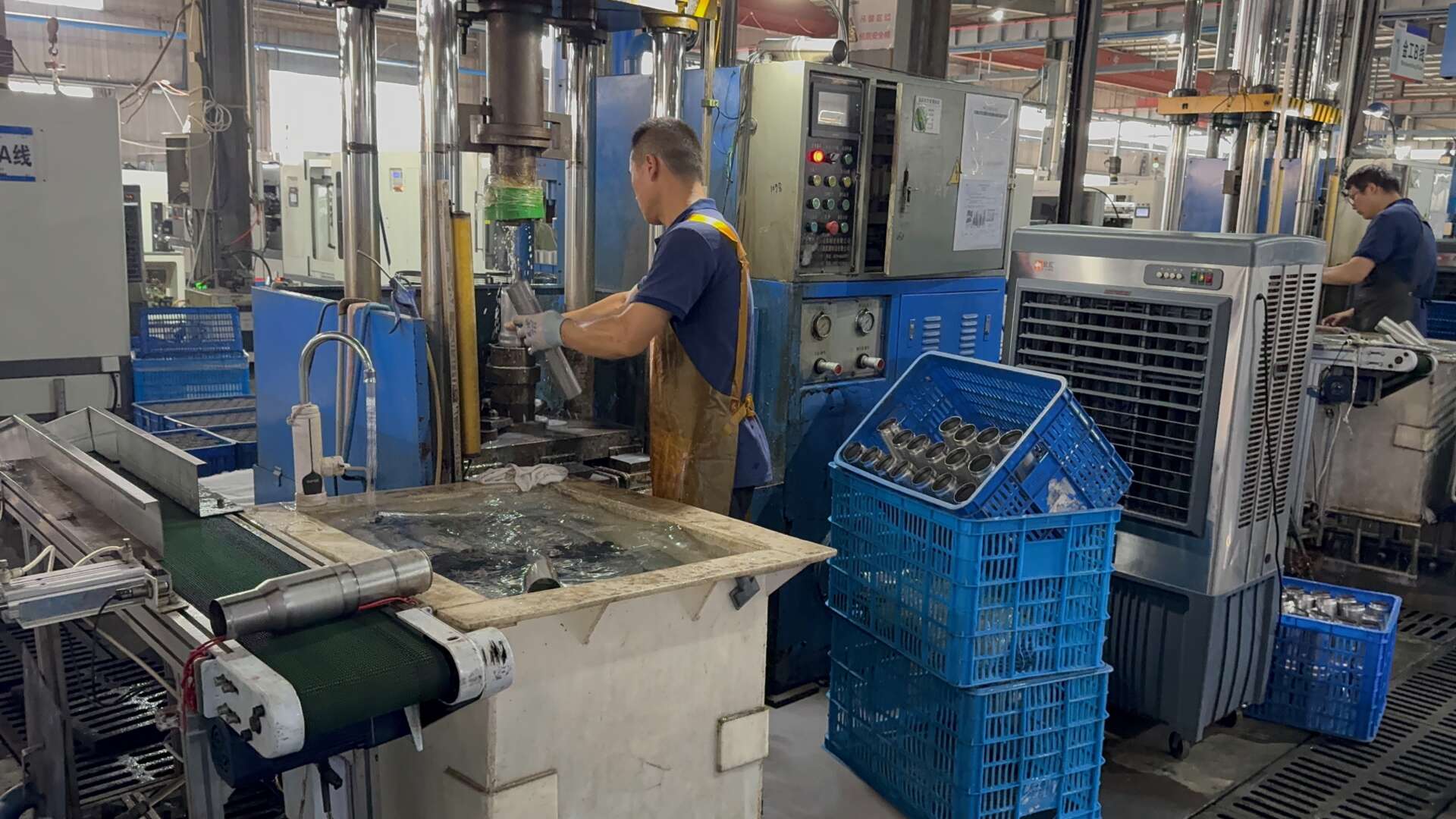
Most New Zealand founders know their product will probably be made in China. Very few know what actually happens between sending a design away and a container arriving. This is the whole process, step by step, as we run it through our own supply chain. No mystery, no jargon.
Step 1: Design for the factory before you talk to one
The biggest China manufacturing mistakes happen in CAD, months before anyone contacts a factory. A design that ignores how it will be moulded or assembled invites two bad outcomes: quotes loaded with risk margin, or a factory quietly changing your design to make it manufacturable. The fix is design for manufacture: every part designed against the process that will make it, with a drawing pack complete enough that a factory can quote without guessing.
Step 2: Factory selection
Finding a factory is easy. Finding the right one is the hard part, because the difference is invisible in an email. Alibaba profiles and audit certificates tell you what a factory wants you to see. What matters is whether the factory has made your kind of product at your kind of volume, whether it owns the processes you need or subcontracts them, and what its floor actually looks like on an ordinary day.
This is where we run differently from most: Pro-Dev has its own staff on the ground in China and direct relationships with factories we have used for years. When a new project needs a new capability, someone from our side stands in the factory before a dollar is committed.
Step 3: Quoting
A proper quote needs a proper package: 3D files, 2D drawings with tolerances, material specifications, finish requirements and target quantities. Send that and quotes come back comparable. Send a rough model and every factory prices a different guess. We cover what drives the numbers in how to get an accurate manufacturing quote and the full cost picture in what it costs to manufacture in China.
Step 4: Protect your IP before you share anything
Before design files travel, the protection goes in place: NDAs with real Chinese enforceability, contracts that keep tooling ownership with you, and files shared on a need-to-know basis. This deserves its own article, and it has one: IP protection when manufacturing in China. The one-line version: protection set up before first contact works, protection bolted on afterwards mostly does not.
Step 5: Samples and tooling
First come pre-production samples, often printed or machined, to confirm the factory understands the design. Then tooling: the steel moulds that are the biggest single cheque in most projects. Tooling takes weeks to cut, and the first off-tool samples never come out perfect. Expect a round or two of tool tuning: adjusting gates, polishing surfaces, tightening dimensions. This is normal, planned work, not a crisis.
Step 6: Pilot run and quality control
Before full production, a pilot run of a few hundred units surfaces assembly, packaging and consistency problems while they are cheap to fix. Then production runs under a written QC plan: incoming material checks, in-process inspection, and a first article inspection that measures production units against the drawings before the line commits. The golden rule: goods get inspected before they ship, in the factory, by someone answering to you. Once a container is on the water, your negotiating leverage is gone.
Step 7: Shipping and delivery
Freight, customs, GST at the border, and delivery to your warehouse or 3PL. Sea freight for volume, air for urgency, and paperwork that has to be right the first time. We run this door to door for clients, and the details are in factory to shelf logistics.
What the whole journey looks like
From production-ready design to first delivered container: typically four to seven months, with tooling the longest single wait. The projects that run smoothly share one trait: nothing was left for the factory to interpret. The design was manufacturable, the drawings were complete, the contracts were signed, and the inspections were booked before production started.
That is the process. Whether you run it yourself or through our manufacturing service, the steps are the same. The difference is who stands in the factory when it matters.
Pro-Dev manages full production through its own supply chain in China and New Zealand: vetted factories, our own people on the ground, quality control before goods ship, and door to door logistics. If you want to talk about your product, get in touch.
